Hatchery Diary
Our First 100,000 Fry: Lessons from Jentan’s First Hatch
What Jentan learned from its first commercial hatch on 1 August 2026 and why early-stage observation, water quality and disciplined records matter.
By Jentan Hatchery Team · Published · Updated · 1 min read
- Location
- Ozubulu, Anambra State, Nigeria
- Species
- Catfish
- Fish stage
- Fry
- System
- Hatchery / RAS
- Problem
- General farm lessons
- Equipment
- Indoor hatchery and RAS support systems
- Outcome
- Established a production and monitoring baseline for subsequent cycles.
Recorded readings
Initial commercial hatch: approximately 100,000 fry on 1 August 2026.
What happened
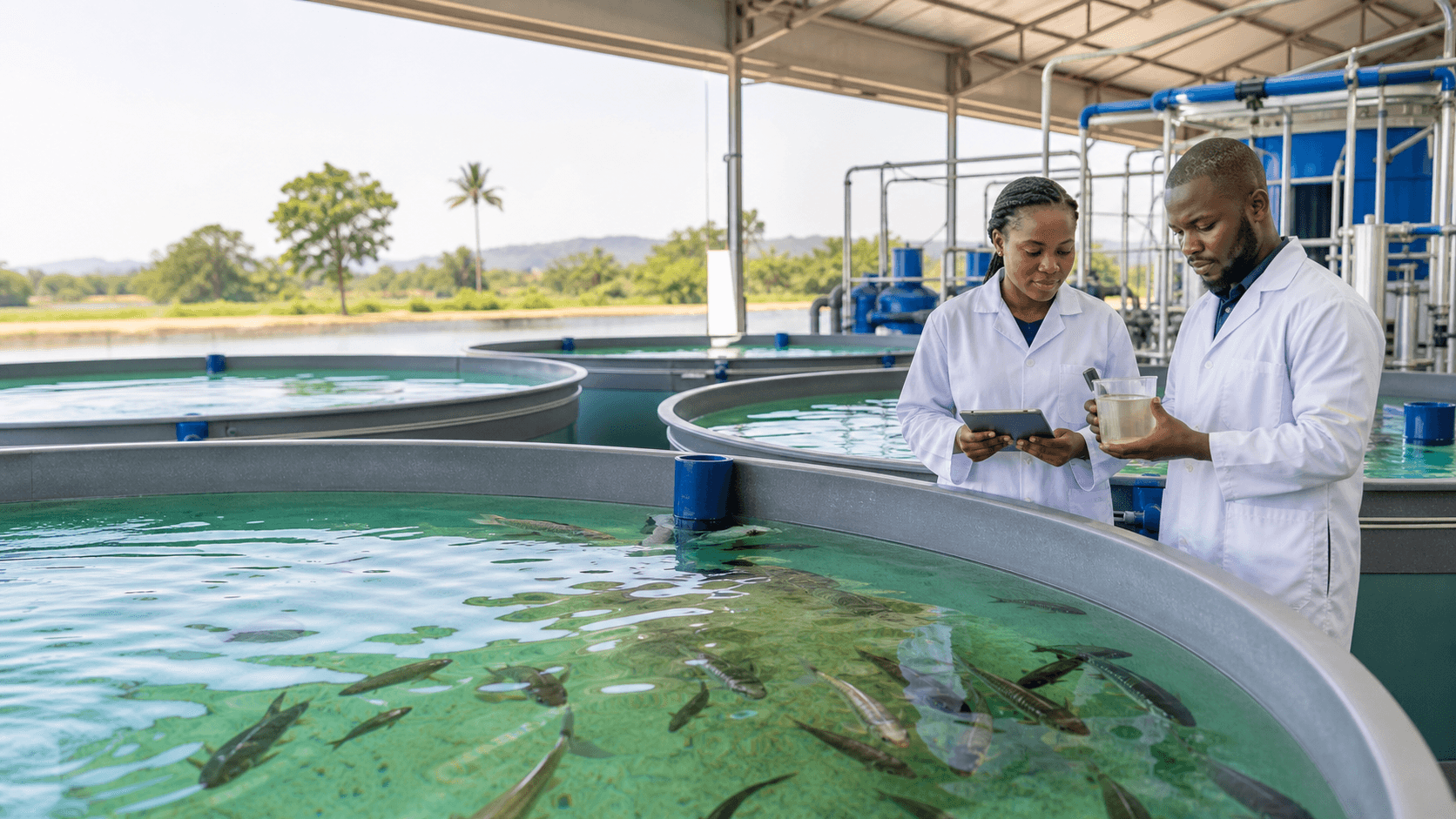
Jentan commenced commercial hatchery operations on 1 August 2026 with an initial hatch of approximately 100,000 fry. The first cycle was important not only as production output, but as a baseline for understanding how the new hatchery, water-treatment chain and RAS support systems behaved under real operating conditions.
What we observed
The first weeks reinforced a basic hatchery lesson: large numbers at hatch are only the starting point. Survival depends on disciplined control of water quality, stocking, feeding, aeration, circulation and handling. Early mortality must therefore be investigated as an operating signal rather than treated only as a production loss.
What we learned
- Record the hatch date and estimated number.
- Track mortality every day.
- Measure critical water parameters before making treatment decisions.
- Separate assumptions from measured observations.
- Use each production cycle to improve the next one.
Farmer takeaway
A first hatch should be treated as both a production event and a learning cycle. The quality of the records created during the first few weeks can determine how quickly a new hatchery improves its survival, consistency and cost control.
About Jentan Hatchery Team
Hatchery Operations
Field notes from the Jentan Fish Hatchery & Farms operations team in Ozubulu, Anambra State.